Cameron Lehmann · 21 November 2026
Mechanics of Trust Building Inside Vetted Online Circles During System Transitions
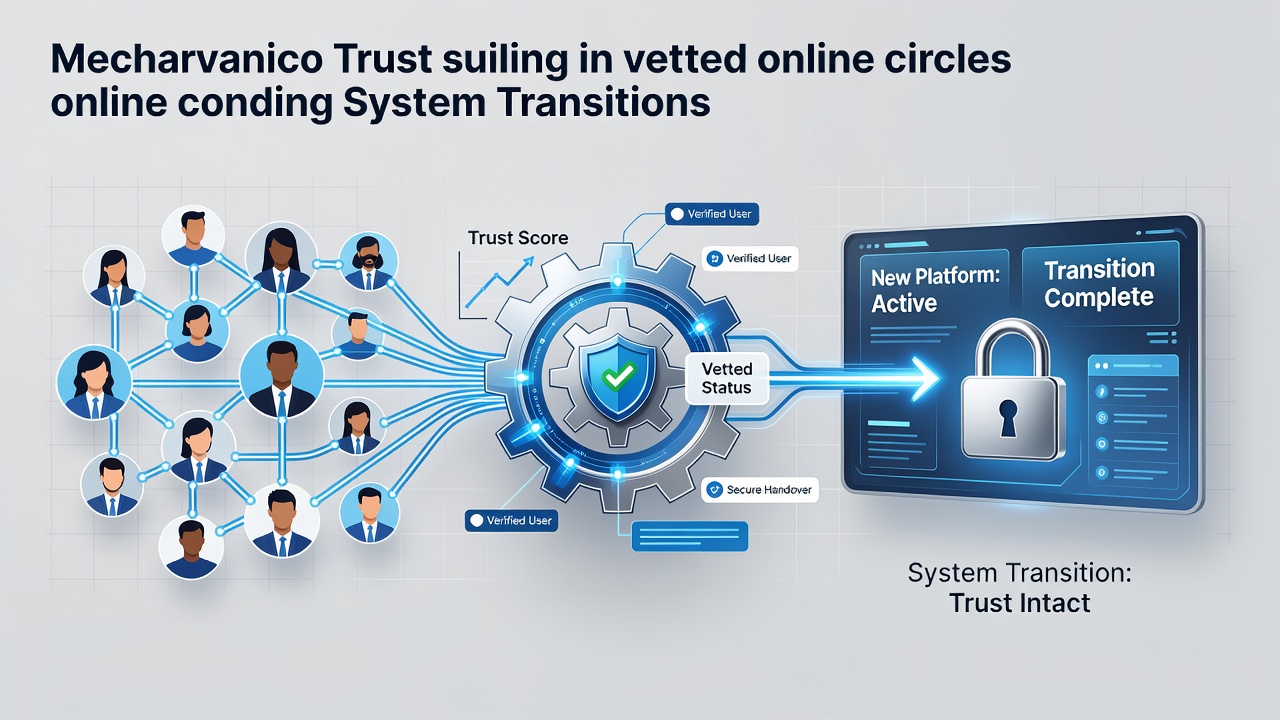
Trust in vetted online circles develops through structured verification steps, shared interaction histories, and consistent protocol adherence, especially when backend systems undergo scheduled migrations or upgrades, and researchers have documented these patterns across multiple professional networks that restrict membership to pre-approved participants. Data from longitudinal studies indicate that participants rely on initial identity confirmation processes combined with ongoing endorsement mechanisms to establish baseline credibility before any transition begins, and this foundation becomes critical when interfaces change because users must navigate unfamiliar tools without losing access to established connections.
Core Verification Layers in Restricted Networks
Observers note that vetted circles typically implement multi-stage entry requirements that include document submission, reference checks, and trial participation periods, and these steps create documented trails that members reference during periods of technical upheaval. In November 2026 several established networks plan coordinated infrastructure shifts that will alter authentication flows, yet prior verification records allow continuity because each member already carries a verified profile tied to multiple independent data points rather than a single login credential. Studies conducted by academic teams at institutions across Canada and Australia reveal that circles using layered verification report fewer access disputes after migrations because the accumulated evidence of legitimacy persists independently of the platform's current software version.
Communication Protocols That Sustain Continuity
Effective circles maintain dedicated announcement channels and scheduled update briefings that operate separately from the main discussion spaces, and these channels distribute migration timelines along with step-by-step migration guides weeks in advance. When a system transition occurs, moderators post timestamped records of every change, and participants cross-reference these records against their own activity logs to confirm that historical contributions remain intact. What's interesting is that circles incorporating asynchronous feedback threads alongside live sessions enable members to raise concerns without interrupting the transition timeline, and this dual-channel approach reduces uncertainty because individuals can review responses at their own pace while the migration proceeds on schedule.
Reputation Tracking and Access Gradients
Reputation systems in these environments assign progressive access levels based on cumulative contributions and peer ratings rather than one-time approvals, and such gradients prove resilient when platforms migrate because the underlying metrics transfer through exported data sets. Figures released by research institutions in the European Union show that networks preserving at least five years of interaction data experience smoother post-transition trust restoration than those relying solely on current platform logs. Participants advance through tiers by completing verified tasks, and each tier grants additional privileges that remain meaningful even after interface redesigns because the privileges attach to the verified identity rather than specific screen layouts.
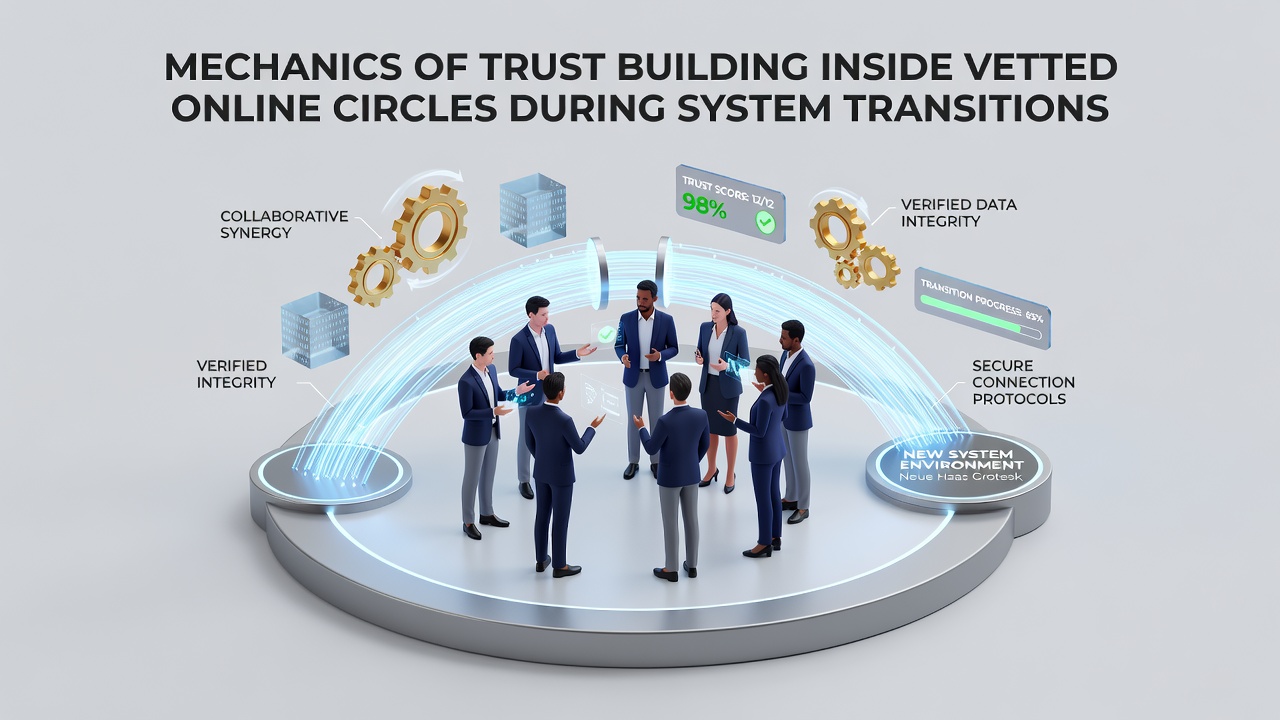
Take one documented case where a research-focused circle migrated its collaboration tools in 2024, and members who had accumulated tiered status retained priority access to new features because the system imported historical metrics automatically. Those who've studied similar transitions report that transparent display of reputation histories during the changeover reinforces perceptions of fairness because every participant sees the same objective record rather than subjective moderator judgments.
Handling Data Migration and Security Reassurance
System transitions often require temporary suspension of certain functions while data moves between servers, and vetted circles address this interval by publishing independent security audits from third-party firms along with detailed migration logs. According to reports issued by regulatory bodies in Singapore and New Zealand, networks that schedule overlapping audit windows around transition dates maintain higher retention rates because members receive verifiable evidence that encryption standards and access controls remain consistent throughout the process. Circles also establish temporary read-only archives that preserve discussion threads in their original form, allowing members to reference prior agreements without waiting for full functionality to return.
Role of External Benchmarks in Internal Trust
Some circles cross-reference their internal protocols against publicly available guidelines from industry associations and academic consortia, and this practice supplies an external frame of reference that members cite when evaluating whether a transition plan meets established standards. A report from the OECD on digital trust frameworks outlines recommended transparency measures that several networks have adopted during recent upgrades, while data compiled by Pew Research Center surveys on private group behaviors provides comparative statistics that help administrators anticipate member concerns. These external references function as neutral yardsticks because they originate outside any single network and therefore carry weight when internal communications alone might appear self-serving.
Conclusion
Mechanics of trust in vetted online circles center on persistent verification records, tiered reputation systems, and transparent communication channels that function independently of any single platform configuration. When system transitions occur, these same elements enable continuity because they attach to verified identities and documented histories rather than transient interface features. Research across multiple regions continues to track how networks refine these mechanisms ahead of the November 2026 infrastructure updates, and the resulting data sets will likely inform future practices in similar closed digital environments.