Cameron Lehmann · 26 September 2026
Shifting Dynamics in Virtual Member Networks After Platform Overhauls
Platform overhauls in virtual member networks often trigger measurable changes in how participants interact, organize, and maintain connections over time. Data collected from multiple network analytics firms shows that user retention rates can fluctuate by 15 to 30 percent in the first quarter following major updates to interface design, moderation tools, or algorithmic content distribution. These shifts appear across gaming communities, professional forums, and subscription-based membership sites alike.
Initial Disruptions in Participation Patterns
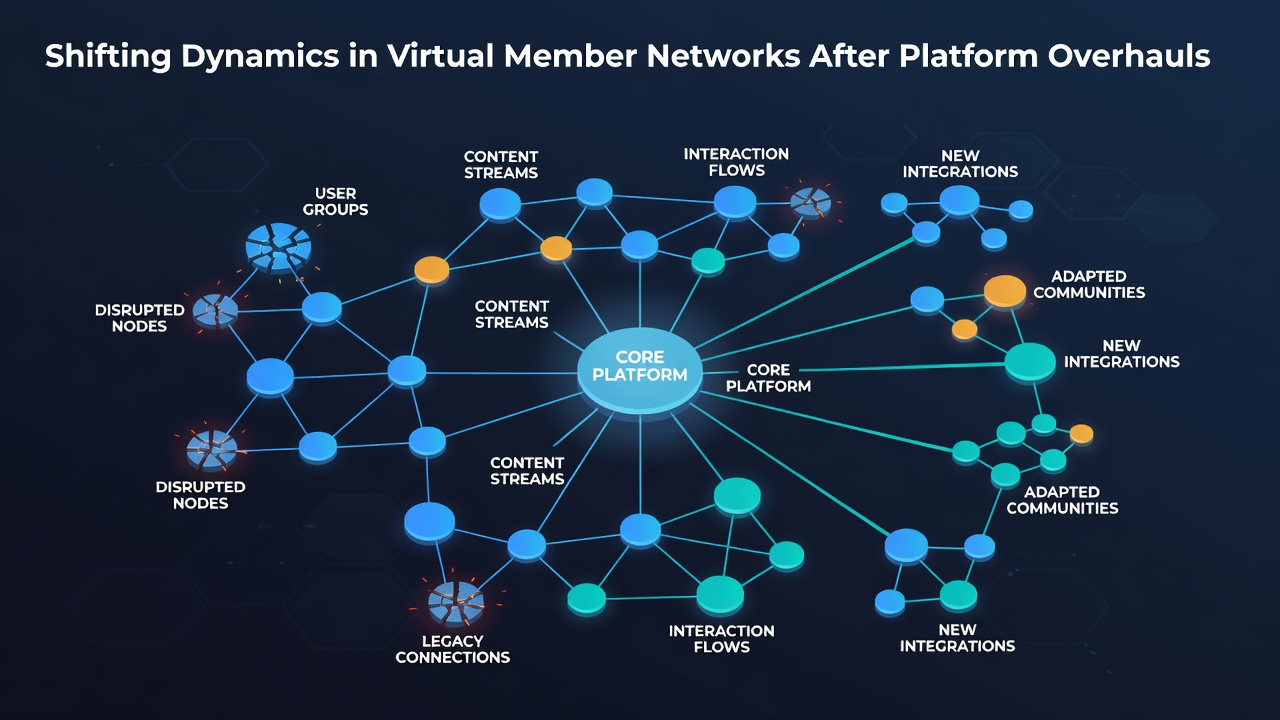
Observers note that core engagement metrics tend to dip immediately after an overhaul because members must relearn navigation paths and adapt to revised notification systems. Research from the OECD Digital Economy Outlook indicates that networks experiencing simultaneous changes to search functions and group visibility rules saw average daily active users decline for four to six weeks before partial recovery occurred. At the same time, new subgroups formed around features that highlighted member-created content, which led some networks to report higher long-term stickiness among previously marginal participants.
September 2026 marked a notable wave of such updates across several major platforms, with changes focused on enhanced privacy controls and revised ranking algorithms. Those adjustments altered how older threads surfaced in feeds, prompting many established members to migrate discussions to external archives or smaller splinter groups. Figures released by network operators revealed that cross-posting activity rose by nearly 22 percent during that period, while original content creation within the primary platform environment dropped.
Reconfiguration of Hierarchy and Moderation Roles
Platform revisions frequently redistribute power among volunteer moderators and long-standing members. A study published by the Berkman Klein Center at Harvard University found that networks adopting automated flagging systems alongside human oversight experienced a 40 percent reduction in moderator workload within three months, yet saw complaints about inconsistent enforcement increase during the transition. This pattern emerged because automated tools handled routine violations more efficiently while human moderators focused on edge cases that required contextual judgment.
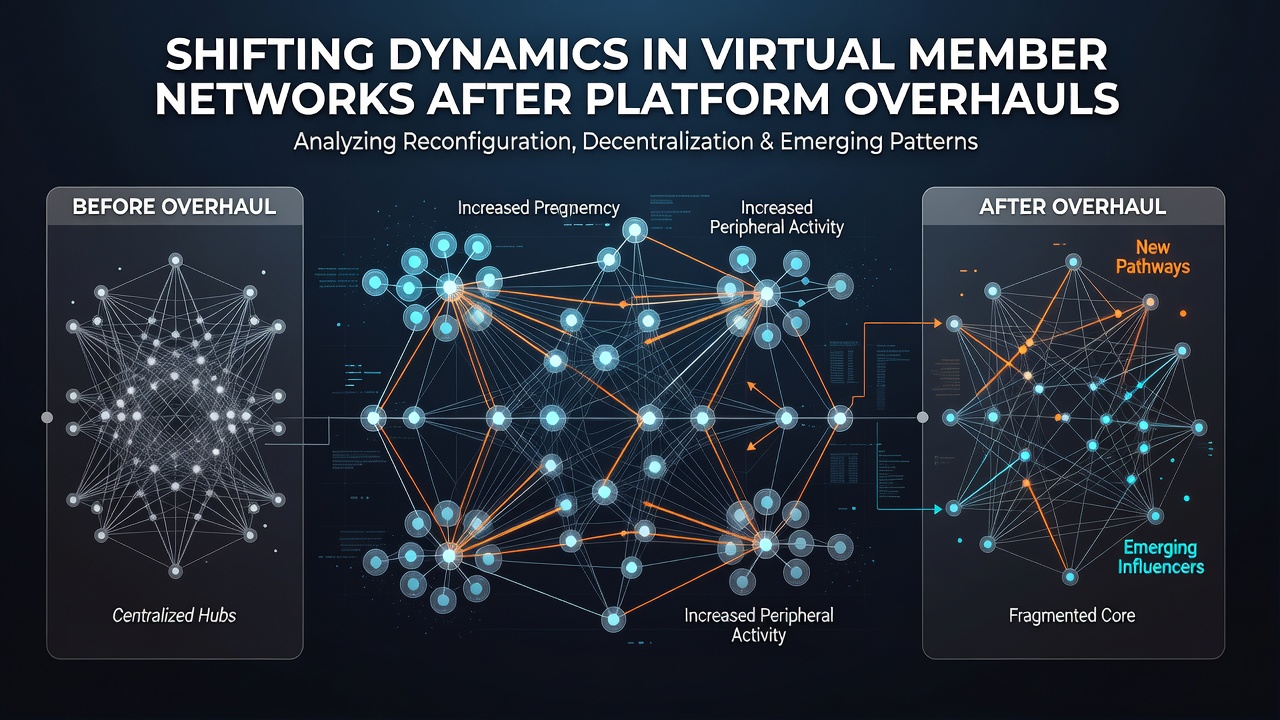
Hierarchies within these networks also evolved. Senior members who previously relied on custom rank systems found their influence diluted when platforms introduced standardized achievement badges tied to algorithmic activity rather than tenure. Industry reports from the Interactive Games and Entertainment Association document similar outcomes in gaming guilds, where leadership transitions accelerated after overhauls that emphasized real-time contribution scores over historical status.
Emergence of Parallel and Hybrid Structures
Many networks responded to overhauls by establishing parallel spaces on alternative platforms while retaining a presence on the original site. Data compiled by the Canadian Internet Registration Authority shows that hybrid models combining a central hub with satellite channels maintained higher overall membership retention than single-platform approaches during the 2025-2027 period. Members used the primary network for announcements and events while directing deeper discussions to environments with fewer algorithmic constraints.
These adaptations produced measurable effects on information flow. Researchers tracking message propagation discovered that critical updates reached core audiences more slowly in hybrid setups, yet the diversity of viewpoints expressed within individual threads increased. Government analyses from the Australian Competition and Consumer Commission highlight how such fragmentation can complicate enforcement of community standards yet simultaneously reduce the concentration of problematic content on any single platform.
Long-Term Effects on Network Resilience
Evidence accumulated over multiple overhaul cycles suggests that networks investing in member education programs during transition periods recovered engagement metrics faster than those that did not. Training sessions on new tools correlated with a 12 to 18 percent improvement in sustained activity levels according to internal platform dashboards shared with academic partners. Additionally, networks that preserved legacy data access options retained a larger share of historical content creators compared with those that archived older material behind paywalls or restricted visibility.
Patterns observed after the September 2026 updates indicate that virtual member networks capable of rapid structural adaptation maintained steadier growth trajectories. Those relying on unchanged governance frameworks encountered repeated cycles of attrition followed by slow rebuilding. The overall trajectory points toward continued experimentation with modular architectures that allow subgroups to customize their experience without fracturing the broader network entirely.
Conclusion
Platform overhauls continue to reshape virtual member networks through shifts in engagement, moderation responsibilities, and organizational structures. Available data from regulatory bodies, academic institutions, and industry associations demonstrate that adaptation strategies vary widely yet consistently influence retention and content dynamics. Networks that monitor these changes and implement targeted support mechanisms show clearer paths toward sustained participation across successive update cycles.